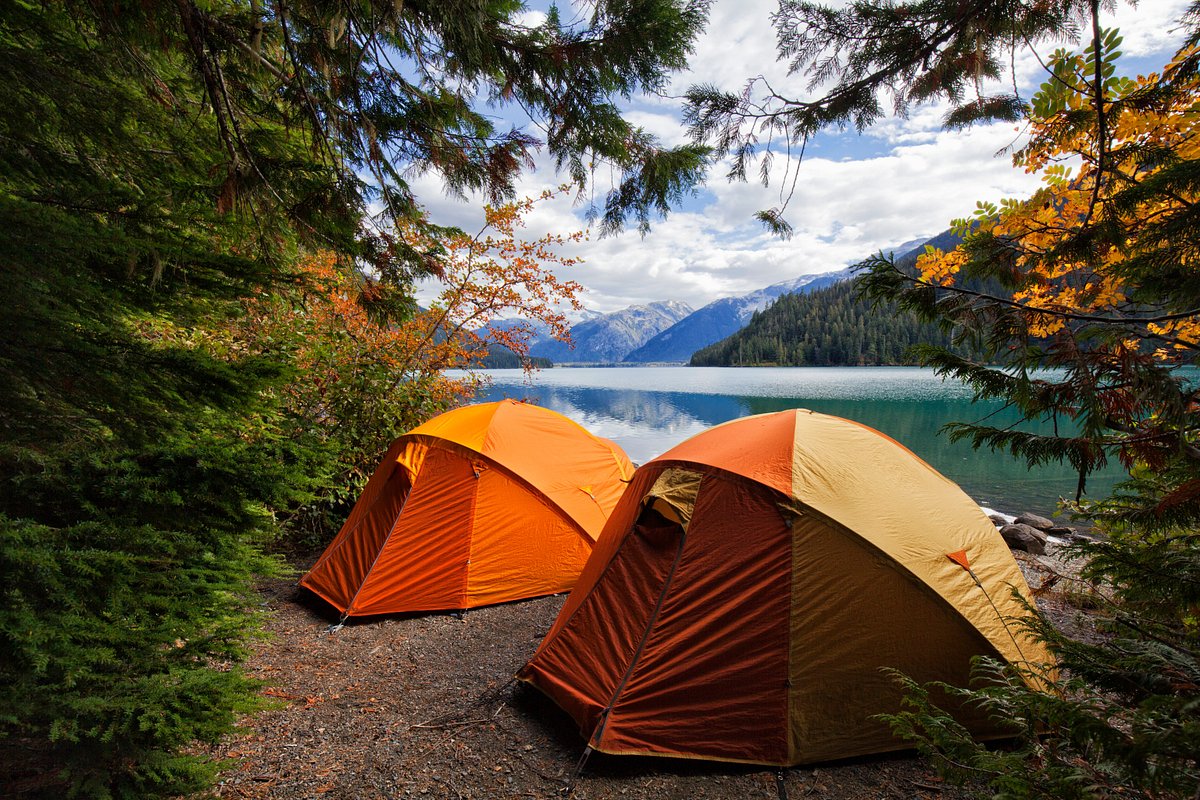
Armenia has more than 135 campsites spread across 72 regions, open from late April through late October. Stays range from bare-earth tent pitches to glamping pods, wooden cabins, eco lodges, and container hotels. Major camping regions include Lori, Tavush, Dilijan, Lake Sevan, Syunik, Vayots Dzor, Kotayk, and Aragatsotn - each offering a completely different slice of the Caucasus. Whether you're booking your first campsite or planning a long overland crossing, Armenia delivers more variety than most travellers anticipate.
This guide covers camping in Armenia from every practical angle: where to go, which type of stay fits your travel style, when to arrive, and how to find and reserve a pitch. It's your orientation before you click deeper into the regions, stay types, and listings that interest you most.
What Camping in Armenia Actually Looks Like in 2026
Armenia sits at the crossroads of the Greater and Lesser Caucasus mountain systems, and that geography shapes everything about camping here. Forested river valleys define the north. A high-altitude lake dominates the centre-east. Volcanic plateaus spread across the west, deep canyons cut through the south, and wine country fills the space between. That's not one landscape - it's five or six, compressed into a country roughly the size of Belgium.
The Armenia campsites scene has grown steadily over the past decade. Managed sites have added proper facilities: free parking, BBQ areas, restaurant access, and WiFi. The raw wilderness that overlanders discovered years ago remains completely accessible. Yerevan, the capital, sits near the geographical centre of the country, and most major camping regions in Armenia are within two to three hours by road.
Key facts at a glance
- 135+ vetted campsites listed on camparmenia.com
- 72 regions covered across the country
- Season: late April to late October
- Stay types: 5 (bare-earth pitch to glamping pod)
- Currency: Armenian Dram (AMD)
How Many Campsites Are There - and Where Are They?
The CampArmenia directory has mapped and verified more than 135 campsites across Armenia's 72 regions - covering everything from bare-earth pitches on highland meadows to furnished glamping pods with mountain views. No other aggregator or forum thread publishes this data with editorial verification behind it.
Distribution is uneven in the best possible way. The highest concentrations sit in Lori, Tavush, Gegharkunik (the region surrounding Lake Sevan), Dilijan, and Kotayk - areas where dramatic terrain and solid road access attract both managed site operators and wild campers. Syunik, Vayots Dzor, and Aragatsotn have fewer listed sites but arguably more spectacular settings for those willing to travel further south or west.
Wild camping Armenia is broadly unrestricted. You can pitch a tent across most open land, provided you leave no trace and respect the environment - a principle the Leave No Trace Center for Outdoor Ethics has long championed. Managed and vetted campsites offer something wild pitches cannot: running water, security, local knowledge, and often a warm greeting from Armenian hosts.
| Region | Campsite Density | Landscape Type | Best For |
|---|---|---|---|
| Lori | High | Forested valleys | Families, hikers |
| Tavush | High | Green hills, gorges | Nature lovers, couples |
| Gegharkunik (Lake Sevan) | High | Lakeside, highland | Swimming, watersports |
| Kotayk | Medium | Gorge, monastery proximity | History + nature combos |
| Dilijan | High | Forested national park | Eco stays, forest retreats |
| Syunik | Medium | Remote mountains, south | Overlanders, adventurers |
| Vayots Dzor | Medium | Wine country + canyon | Couples, winery tourists |
| Aragatsotn | Medium | Highland plateau, Ararat views | Summit hikers, scenic stays |
For the full regional breakdown with named listings, see best campsites by region in Armenia.
The 8 Camping Regions in Armenia Every Camper Should Know
Lori Camping: Forests, Gorges, and Medieval Monasteries
Lori is Armenia's greenest corner - a region of deep river gorges, dense oak and beech forest, and medieval monasteries rising out of cliffsides. Campsite density here is among the highest in the country, and the terrain suits multi-day hiking trips as much as it does a simple weekend escape. Families and hikers both find what they need: managed sites with proper facilities sit close enough to trailheads that you can pitch, cook, and walk all in the same afternoon.
Tavush Camping: Green Hills and Riverside Pitches
Tavush shares borders with Georgia and Azerbaijan and carries something of the lush, almost subtropical greenery of both. Rolling hills drop into dramatic gorges, and the region's rivers make for beautiful riverside pitching. It's quieter than Lori despite comparable campsite numbers - a strong choice for couples and nature lovers who want open space without competing for it.
Lake Sevan Camping: High-Altitude Lakeside Stays
Lake Sevan sits at 1,900 metres above sea level and covers roughly 1,240 square kilometres, placing it among the largest freshwater lakes in the world by surface area. Camping on its shores is a rite of passage for anyone visiting Armenia in summer. The high altitude keeps temperatures bearable even in July and August, and the sheer scale of the lake - blue water meeting brown mountains - is genuinely arresting. Lakeside sites fill up fast in peak season; book ahead if you're travelling in July or August.
Kotayk Camping: Canyon Walks and Cultural Day Trips
Kotayk wraps around the southern and eastern edges of Yerevan and contains some of Armenia's most visited historical sites, including the Geghard Monastery canyon. Camping here blends natural and cultural tourism in a way few regions can match: you can pitch your tent within easy reach of canyon walks, monastery visits, and day trips into the capital. Campsite density is medium, and the gorge landscape makes for dramatic overnight scenery.
Dilijan Camping: Forest Retreats in the National Park
Dilijan is often called the "Armenian Switzerland" - a label that overpromises slightly but points at something real. Dilijan National Park protects a contiguous stretch of temperate forest that feels genuinely wild even when you're close to town. Camping here means waking up to birdsong in a beech canopy, with hiking trails starting metres from your pitch. Eco lodges and forest retreats dominate the stay type, and site density is high enough to give you real choice across comfort levels.
Syunik Camping: Remote Landscapes at Armenia's Southern Tip
Syunik occupies Armenia's southern tip and borders both Iran and Azerbaijan's Nakhchivan exclave. It's remote, dramatic, and rewards the overlanders and adventurers who make the drive. The Tatev Monastery cable car, the Vorotan gorge, and the Zorats Karer prehistoric stone circle all sit within reach of campsites here. Site density is medium, but the surrounding landscape more than compensates.
Vayots Dzor Camping: Wine Country and Canyon Walls
Vayots Dzor is Armenia's wine country - rows of vines along canyon walls, ancient cave cities carved into soft rock, and apricot orchards that bloom spectacularly in spring. Camping here pairs naturally with winery visits, making it an excellent base for the combined outdoor-and-food-tourism itinerary that groups of friends often plan. The Noravank canyon is a short drive from several listed sites, and the atmosphere suits couples and small groups especially well.
Aragatsotn Camping: Highland Plateau and Ararat Views
Aragatsotn sits northwest of Yerevan, dominated by Mount Aragats - Armenia's highest peak at 4,090 metres. Campsites on the plateau sit at serious altitude, with cold nights expected even in midsummer. The reward is unobstructed views of Mount Ararat across the Turkish border on clear days. Highland pitches open later in the season (typically May or June depending on snowmelt) and close earlier in October. This is the region for summit hikers and anyone chasing the most dramatic possible sunrise.
5 Types of Armenia Outdoor Stays: From Bare-Earth Pitches to Glamping Pods
1. Bare-Earth Pitch (Tent Camping)
A bare-earth pitch is exactly what it sounds like: a cleared or grassed area where you pitch your own tent, with minimal or no infrastructure. These suit backpackers, overlanders arriving in camper vans, and experienced campers who want to travel light. Many sit in genuinely wild settings - highland meadows, forest clearings, lakesides - and cost less than any other stay type. Gear rental is available in Yerevan, so you don't need to fly in with a full kit.
2. Eco Lodge or Eco Resort
Eco lodges sit a step up in comfort without abandoning the connection to the natural environment. They typically offer private or semi-private accommodation built from natural materials, with attention to low environmental impact. Settings lean heavily toward forested and riverside locations - Dilijan and Tavush are the prime regions. Eco lodges suit nature lovers, couples, and remote workers who want quiet surroundings and reliable facilities without the full glamping price tag. Properties like Hyelandz Eco Village Resort show what this category looks like at its best.
3. Wooden Cabin or Chalet
Wooden cabins and chalets are the most family-friendly option in the Armenian camping spectrum. They offer enclosed sleeping space, often with heating, which makes them viable during shoulder months when tent temperatures drop sharply at night. The forest and mountain settings of Lori, Dilijan, and Aragatsotn host the best examples. The Chalet Armenia guide to wooden cabins and mountain stays covers the top options in detail.
4. Container Hotel or Unique Structure
Container hotels and repurposed architectural structures are a growing trend in Armenian outdoor accommodation. They attract design-curious travellers who want something visually distinctive without sacrificing comfort. Facilities match or exceed those of wooden cabins in most cases. The concept works especially well in open plateau or lakeside settings, where the container's industrial aesthetic contrasts sharply with the surrounding wilderness.
5. Glamping Pod
A glamping pod delivers the full outdoor experience - stars, morning mist, mountain air - with the comfort of a proper bed, lighting, and often an en-suite or shared bathroom. This is the highest-comfort, highest-price category in the Armenia nature stays spectrum. Pods suit couples celebrating occasions, comfort-seeking travellers who wouldn't ordinarily camp, and anyone who wants to test outdoor stays without committing to a sleeping bag on the ground. For a detailed look at the best options, see the glamping in Armenia guide.
For pricing across all five stay types, the Armenia camping costs guide breaks down what to expect in AMD across regions and seasons.
| Stay Type | Comfort Level | Price Range (AMD) | Best For |
|---|---|---|---|
| Bare-earth pitch | Basic | Lowest | Backpackers, overlanders |
| Eco lodge | Mid | Mid | Nature lovers, couples |
| Wooden cabin / chalet | Mid-High | Mid | Families, groups |
| Container hotel | Mid | Mid | Design-curious travellers |
| Glamping pod | High | Highest | Comfort seekers, couples |
When Is the Camping Season in Armenia?
Late April to Late October: The Main Window
The camping season in Armenia covers almost six months of reliably campable weather across most of the country. Spring arrives gently at lower altitudes in April, with wildflowers carpeting the hillsides and daytime temperatures climbing into the mid-teens Celsius. By May, most managed campsites have opened and conditions are excellent across Lori, Tavush, Kotayk, and the Lake Sevan shore.
July and August are peak months. Lake Sevan camping draws the largest crowds, lakeside pitches fill quickly, and temperatures at lower altitudes push into the high twenties. September is, in my view, the single best month to camp in Armenia: the summer heat eases, the crowds thin out, hiking trails are at their driest, and the light turns golden in a way that makes even a basic pitch feel photogenic.
Higher-altitude regions - Aragatsotn particularly, and some highland sites in Syunik - open later, typically in May or early June once snowmelt clears the access roads. They also close earlier, often by mid-October, as the first frosts arrive. Always check the specific elevation of any site you plan to book in spring or autumn.
The full month-by-month and region-by-region guide to when to camp in Armenia covers gear recommendations for each period alongside the timing data.
Month-by-Month Quick Guide
| Month | Camping Suitability | Notes |
|---|---|---|
| January-March | ✗ Not recommended | Snow, cold, most sites closed |
| April | ⚠ Early season | Low-altitude sites opening; pack warm layers |
| May | ✓ Good | Wildflowers, mild temps, sites open |
| June | ✓ Very good | Long days, warm, busy |
| July | ✓ Peak | Hottest; lakeside sites most popular |
| August | ✓ Peak | Best weather, school holidays |
| September | ✓ Excellent | Cooler, quieter, great hiking |
| October | ⚠ Late season | Autumn colours; pack for cold nights |
| November-December | ✗ Not recommended | Most sites closed |
Who Camps in Armenia - and Who It Suits Best
One of the most interesting things about Armenia's camping scene is how genuinely diverse the audience is. This isn't a destination that suits only one type of traveller.
- Couples find lakeside glamping pods and eco lodges in Vayots Dzor and Tavush well suited to romantic short breaks.
- Families gravitate toward managed sites with BBQ areas, free parking, swimming pools, and restaurant access - Lori and Kotayk deliver this well.
- Groups of friends tend to head for larger social sites near Lake Sevan or in wine country, where outdoor space and good food combine for memorable trips.
- Overlanders and road-trippers use Armenia as a Caucasus overland route segment, camping wild or at basic pitches while crossing north to south or east to west. Unrestricted wild camping rules make this straightforward.
- Nature lovers and wildlife watchers head for the forests of Dilijan and the buffer zones near the Caucasus Wildlife Refuge, where the region's biodiversity is at its highest.
- Remote workers and artists are increasingly drawn to eco lodges with reliable WiFi, particularly in Dilijan and Tavush, where quiet surroundings and open scenery create a working environment that co-working spaces cannot replicate.
Armenia also works well for first-time campers. Vetted sites with full facilities and easy access from Yerevan mean a beginner can have a genuinely comfortable first experience without wild camping skills. For experienced outdoors people, the remote highland pitches of Aragatsotn and Syunik offer a level of solitude that's genuinely hard to find in more-touristed European destinations.
How to Find and Book a Campsite in Armenia
Using the CampArmenia Campsite Directory
CampArmenia is the only editorially verified campsite directory in Armenia. Its search and filter tools are the fastest way to narrow down options from 135+ listings.
Here's how the process works:
- Browse by region - select from the 72 regions in the directory to see all vetted sites in your target area.
- Use the interactive map - the map view gives you a spatial picture of where sites cluster around Lake Sevan, in the Dilijan forest, or along the Lori valley floor.
- Filter by amenity - search for the facilities that matter most to you: free WiFi, BBQ area, free parking, heating, swimming pool, restaurant on site.
- Open a listing - each listing includes a full description, location details, and nearby attractions so you can judge fit before reaching out.
- Book direct - most campsites accept direct bookings through the contact information on their listing. Prices are quoted in Armenian Dram (AMD).
The directory also features curated collections - Featured Campsites and Recently Added - if you'd rather start with an editorial shortlist than a filter-led search.
Suggesting or Listing a Campsite
If you operate a campsite in Armenia or know of a site not yet in the directory, the Suggest Campsite feature lets you submit it for editorial review. Community knowledge feeds the platform, and the editorial team verifies before listing - which is how the directory stays accurate and keeps growing.
Gear Rental for Arriving Travellers
Travellers arriving in Armenia without camping equipment can rent gear in Yerevan before heading out. Tents, sleeping bags, and cooking equipment are all available from rental outfitters in the city, making a full camping trip accessible even to those flying in with hand luggage only.
For a complete planning checklist covering gear, transport, and logistics, see the guide to planning your Armenia camping trip.
What to Expect: Facilities, Terrain, and Atmosphere
Facilities
Facilities vary enormously across the 135+ sites in the directory. Setting realistic expectations before you book saves disappointment.
At the basic end: a bare-earth pitch with no services beyond the land itself and perhaps a nearby water source. At the full-service end: managed campsites with free WiFi, BBQ stations, free parking, a restaurant or café, swimming pools, and heated accommodation. Most listed sites fall somewhere in between - basic utilities, parking, and a BBQ area with or without WiFi.
The amenity filter on CampArmenia is the most reliable way to match your requirements to available sites. A lakeside location doesn't automatically mean good WiFi - always check the listing.
Terrain and Landscape
- Forested - Dilijan National Park, Tavush, Lori: dense canopy, river sounds, birdlife, cool temperatures even in summer
- Lakeside - Gegharkunik / Lake Sevan: open, windswept shore, high altitude, brilliant blue water
- Mountain / plateau - Aragatsotn, highland Syunik: exposed pitches, cold nights, extraordinary views
- Canyon / gorge - Kotayk, Vayots Dzor: dramatic vertical walls, monastery proximity, warm and sheltered
Altitude varies significantly between sites - from around 700 metres in some Tavush valleys to over 2,000 metres in Aragatsotn. Check the elevation of any site you book for spring or autumn travel, as temperature swings between day and night at altitude can be severe.
Atmosphere
Managed campsites in Armenia tend to carry something of the country's hospitality culture: a warm greeting from the site owner, local food where there's a restaurant, and genuine pride in the setting. It's not a transactional atmosphere. Alongside Armenian families on weekend escapes, you'll find international overlanders crossing the Caucasus route, European cycle tourists, and a growing community of eco-conscious travellers who've discovered that Armenia delivers outstanding value for the quality of experience on offer.
Wild camping draws its own quieter crowd - solo hikers, overlanders in 4x4s, and travellers who pull off a mountain road when the view is too good to pass. The leave-no-trace ethos is expected and widely respected, and the open-door policy on wild camping asks only that you take your rubbish with you when you leave.
Start Planning Your Armenia Camping Trip
Armenia's 135+ campsites across 72 regions make it one of the most geographically varied camping destinations in the Caucasus - and one of the most underrated in the broader European region. Unrestricted wild camping freedom, a growing network of managed and glamping sites, and landscapes that shift completely every 50 kilometres mean there's genuinely no single "type" of camping trip here.
Here's where to go next:
- Best campsites by region in Armenia - the full regional breakdown with named listings and landscape context
- Glamping in Armenia - pods, chalets, and eco resorts for comfort-forward stays
- Planning your Armenia camping trip - logistics, gear, transport, and packing
- Armenia camping costs - what to budget in AMD across stay types and regions
Frequently Asked Questions
Q: How many campsites are there in Armenia?
A: The CampArmenia directory lists 135+ vetted campsites spread across 72 regions of Armenia, ranging from bare-earth tent pitches to glamping pods and eco resorts.
Q: When is the best time to go camping in Armenia?
A: The main camping season runs from late April to late October. July and August are peak months; May, June, and September offer excellent conditions with fewer crowds. September stands out for hiking and cooler temperatures.
Q: Is wild camping allowed in Armenia?
A: Wild camping in Armenia is broadly unrestricted. You can pitch a tent in most open areas, provided you leave no trace and respect the environment. Managed campsites are a good alternative for travellers who prefer facilities.
Q: What types of camping accommodation are available in Armenia?
A: Armenia offers five main stay types: bare-earth tent pitches, eco lodges, wooden cabins and chalets, container hotels, and glamping pods. Each suits a different comfort level and travel style.
Q: Where are the best camping regions in Armenia?
A: The top camping regions are Lori, Tavush, Gegharkunik (Lake Sevan), Kotayk, Dilijan, Syunik, Vayots Dzor, and Aragatsotn - each offering distinct landscapes from forested valleys to high-altitude lakeside shores and mountain plateaus.
Q: Do campsites in Armenia have facilities like WiFi and BBQ?
A: Facilities vary by site. Many managed campsites offer free WiFi, BBQ areas, free parking, and restaurants. Some sites are more basic. Use the CampArmenia directory's amenity filter to search for specific facilities before booking.
Q: Can I rent camping gear in Armenia?
A: Yes. Gear rental is available in Yerevan, covering tents, sleeping bags, and cooking equipment - making it practical for travellers arriving without their own kit.
Q: How do I book a campsite in Armenia?
A: Browse camparmenia.com, filter by region or amenity, and contact or book directly through individual listings. Prices are quoted in Armenian Dram (AMD). The interactive map gives a spatial overview of where sites sit relative to each other.